Pastoral staff are stretched thin. These 5 automations eliminate repetitive admin work so your team can focus on people, not paperwork.
Church staff are some of the most overworked people in ministry. Between preparing sermons, counseling members, managing events, coordinating volunteers, and handling administrative tasks, there simply aren't enough hours in the week. The good news is that many of the repetitive tasks consuming your team's time can be automated. Here are five practical automations every church should implement in 2026 to free up staff for what matters most: people.
Why Automation Matters for Church Staff
Automation isn't about replacing human connection — it's about removing the friction that prevents it. When your staff spends hours manually entering data from paper connection cards, sending individual follow-up emails, or updating contact information across multiple systems, they have less time for pastoral care, discipleship, and community outreach.
The average church staff member spends 10-15 hours per week on tasks that could be automated. That's time that could be redirected toward ministry. By implementing even a few of the automations below, your team can reclaim hours every week and focus on the relational work that only humans can do.
1. Automated Visitor Follow-Up Sequences
The single most impactful automation for any church is an automated visitor follow-up sequence. When a first-time visitor fills out a digital connection card — accessed via QR code or link — their information should trigger an automated communication sequence:
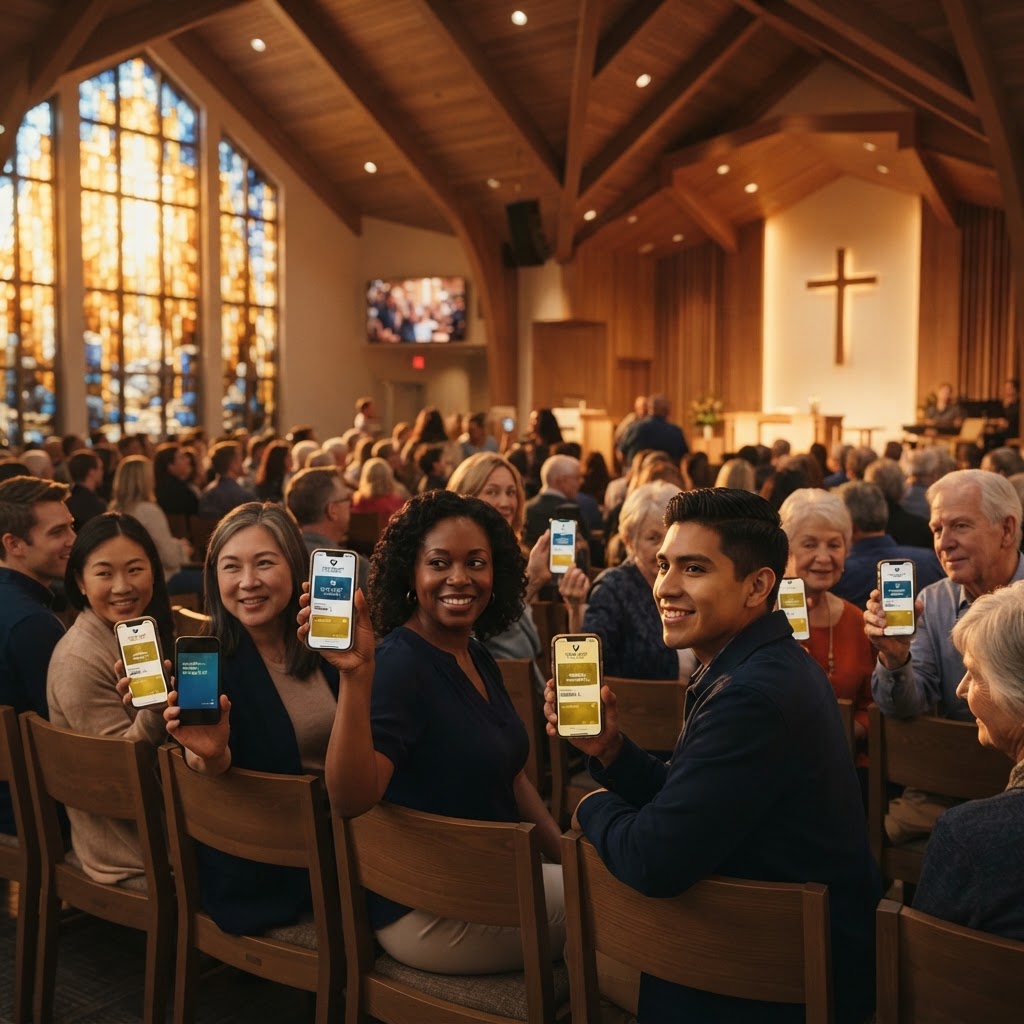
- Day 1: Personalized welcome email from the pastor with a link to their digital membership card
- Day 3: Text message inviting the visitor to a newcomers' gathering or coffee with a pastor
- Day 7: Email highlighting upcoming events and ministry opportunities
- Day 14: Invitation to join a small group or volunteer team
- Day 30: Check-in message asking how they're doing
This sequence ensures that every visitor receives consistent, timely follow-up — regardless of how busy your staff is that week. The key is that the messages feel personal, not robotic. Use the visitor's name, reference their interests (captured from the connection card), and always include a way to reply or reach a real person.
Churches that implement automated follow-up sequences report a 40-60% improvement in visitor return rates. The speed and consistency of follow-up is the single biggest factor in whether a visitor returns, and automation ensures it happens every time.
2. Automated Contact Information Updates
Keeping contact information current is one of the most tedious and error-prone tasks for church staff. Phone numbers change, email addresses are updated, and staff roles shift. With a digital membership card platform, contact information updates can be automated.
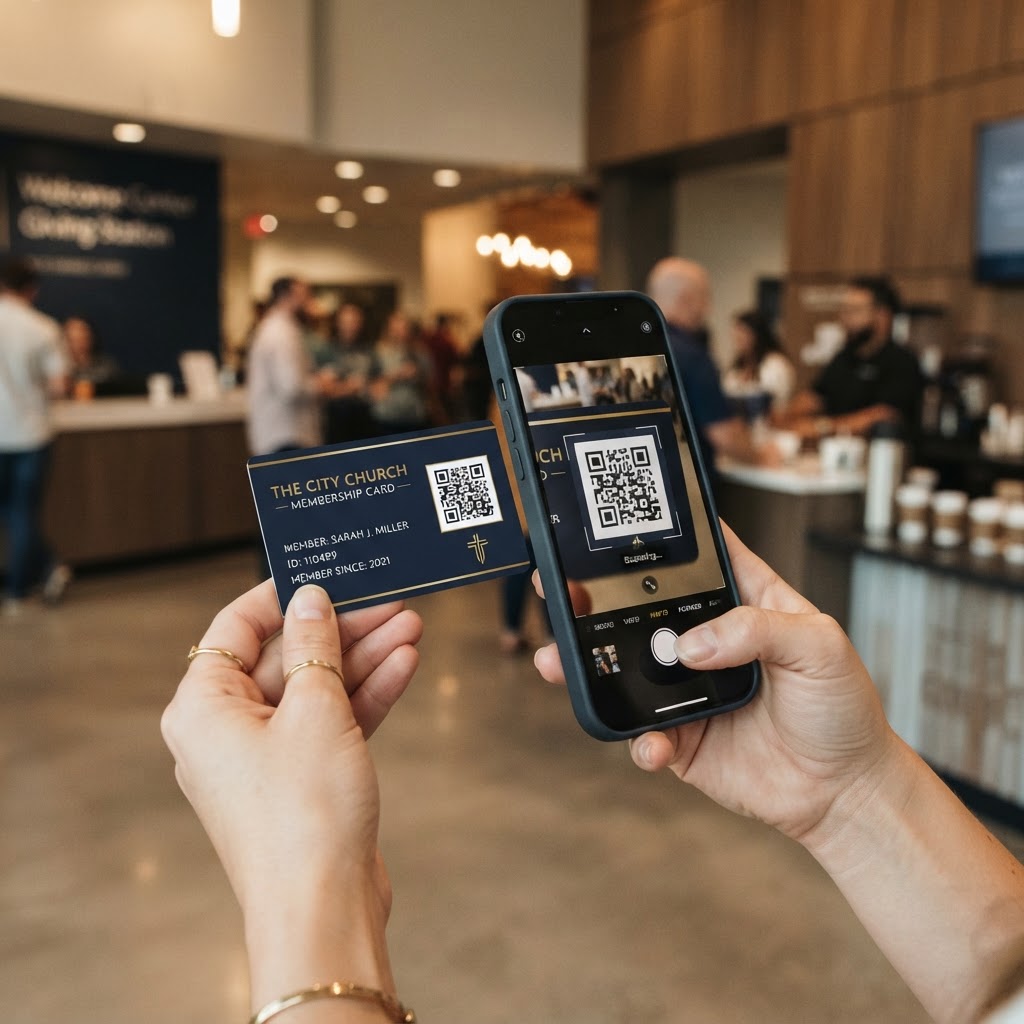
When a pastor or staff member updates their information on their digital card, the change is reflected instantly everywhere — on every shared link, in the online directory, and on every QR code that links to that card. There's no need to send out a mass email announcing a new phone number or reprint business cards.
This automation eliminates the 'outdated contact information' problem that plagues most churches. Members always have access to the most current contact details for their pastoral staff, and staff never have to worry about outdated information circulating in the community.
3. Automated Event Reminders
Event no-shows are a persistent problem for churches. People sign up for events but forget to attend, leaving organizers with wasted food, empty seats, and frustration. Automated event reminders solve this problem.
Set up an automated reminder sequence for every event:
- One week before: Email with event details, packing list, and logistics
- Two days before: Text message reminder with check-in instructions
- Day of: Welcome text with a QR code for fast check-in
- Post-event: Thank-you email with event highlights and next steps
These reminders dramatically reduce no-show rates. Churches that implement automated event reminders report a 25-35% reduction in no-shows and significantly better attendee satisfaction, because people feel informed and prepared.
4. Automated Prayer Request Routing
When a member submits a prayer request through a digital membership card or church website, that request should be automatically routed to the appropriate pastoral staff member — not left sitting in a general inbox.
Set up routing rules based on the type of request: prayer requests go to the pastoral care team, counseling requests go to the counseling pastor, and urgent needs trigger an immediate text notification to the on-call pastor. This ensures that no prayer request goes unanswered and that the right person responds quickly.
Automated prayer request routing also creates a record of every request, who it was assigned to, and whether it was followed up on. This accountability ensures that no member's needs fall through the cracks — a critical factor in member care and retention.
5. Automated Giving Receipts and Thank-You Messages
Every gift to your church should be acknowledged immediately. Automated giving receipts and thank-you messages ensure that every giver receives a timely, personalized acknowledgment — no matter when they give or how busy your staff is.
Set up your giving platform to automatically send:
- An immediate email receipt for tax purposes
- A personalized thank-you message from the pastor (pre-written but personalized with the giver's name)
- A year-end giving statement (automatically generated and emailed)
- Special thank-you messages for first-time givers
- Milestone acknowledgments (e.g., 'Thank you for your faithful giving over the past year')
These automated acknowledgments make givers feel valued and appreciated, which increases the likelihood of continued and increased giving. Research shows that givers who receive a thank-you within 48 hours are 40% more likely to give again.
Getting Started with Church Automation
You don't need to implement all five automations at once. Start with the one that will have the biggest impact on your team — usually the automated visitor follow-up sequence — and build from there. Each automation you add compounds the time savings, freeing your staff for ministry.
The tools are available and affordable. The only question is whether your church is ready to embrace the efficiency that automation provides. By implementing even a few of these automations, your staff can reclaim hours every week — hours that can be redirected toward the people and ministry that matter most.