Effective visitor follow-up is the key to growing your church. Digital cards make it easier, faster, and more effective. Here are five ways they help.
Visitor follow-up is one of the most critical — and most challenging — aspects of church growth. Research shows that churches that follow up with first-time visitors within 48 hours see significantly higher return rates. Yet many churches struggle with slow, inconsistent, or ineffective follow-up processes. Digital membership cards offer a powerful solution, transforming how churches connect with visitors after their first visit.
The Visitor Follow-Up Challenge
Traditional visitor follow-up relies on paper connection cards that visitors fill out during a service. These cards are collected, manually entered into a database, and then someone — usually a pastor or volunteer — follows up via phone or email. This process is slow, error-prone, and often delayed by days. By the time follow-up happens, the visitor has often lost the momentum of their initial interest.
Digital cards solve this problem by streamlining every step of the follow-up process — from capturing visitor information to making contact to measuring engagement. Here are five specific ways they improve church visitor follow-up.
1. Instant Information Capture
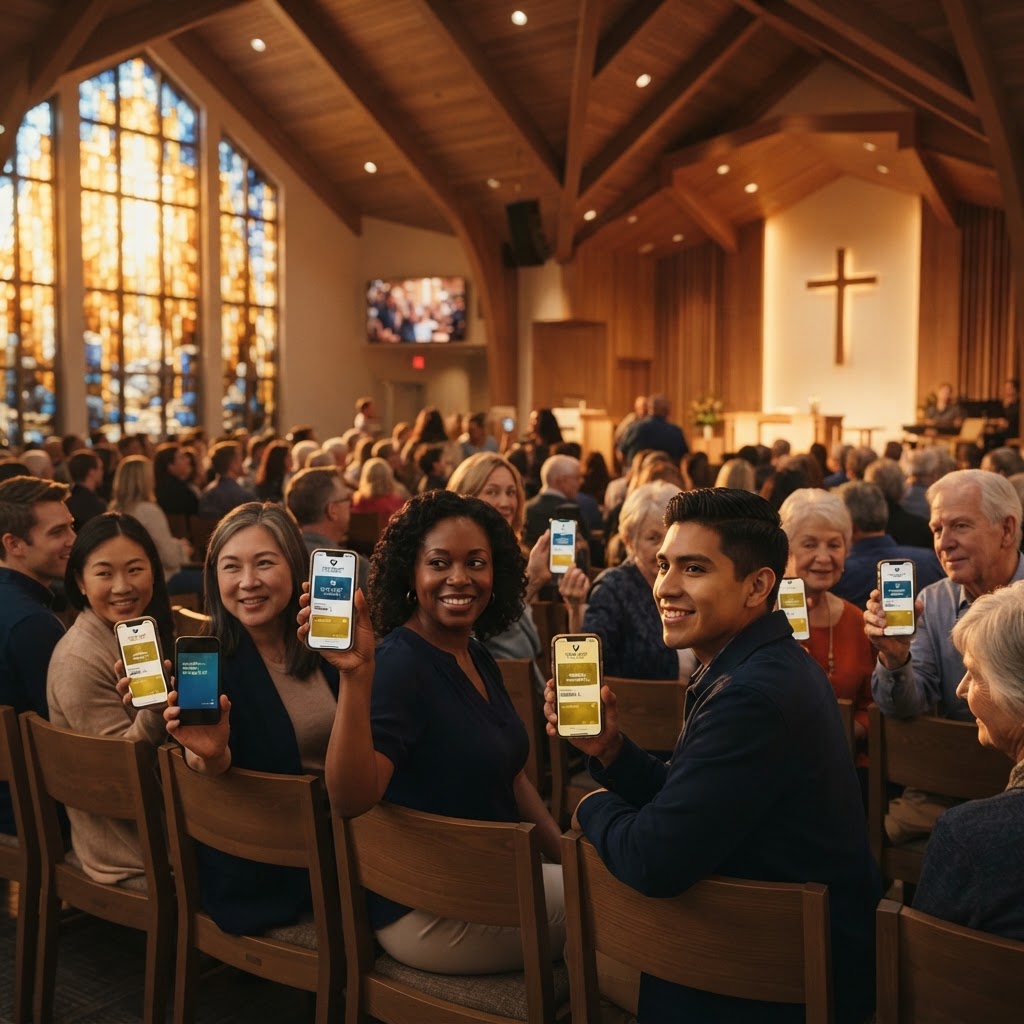
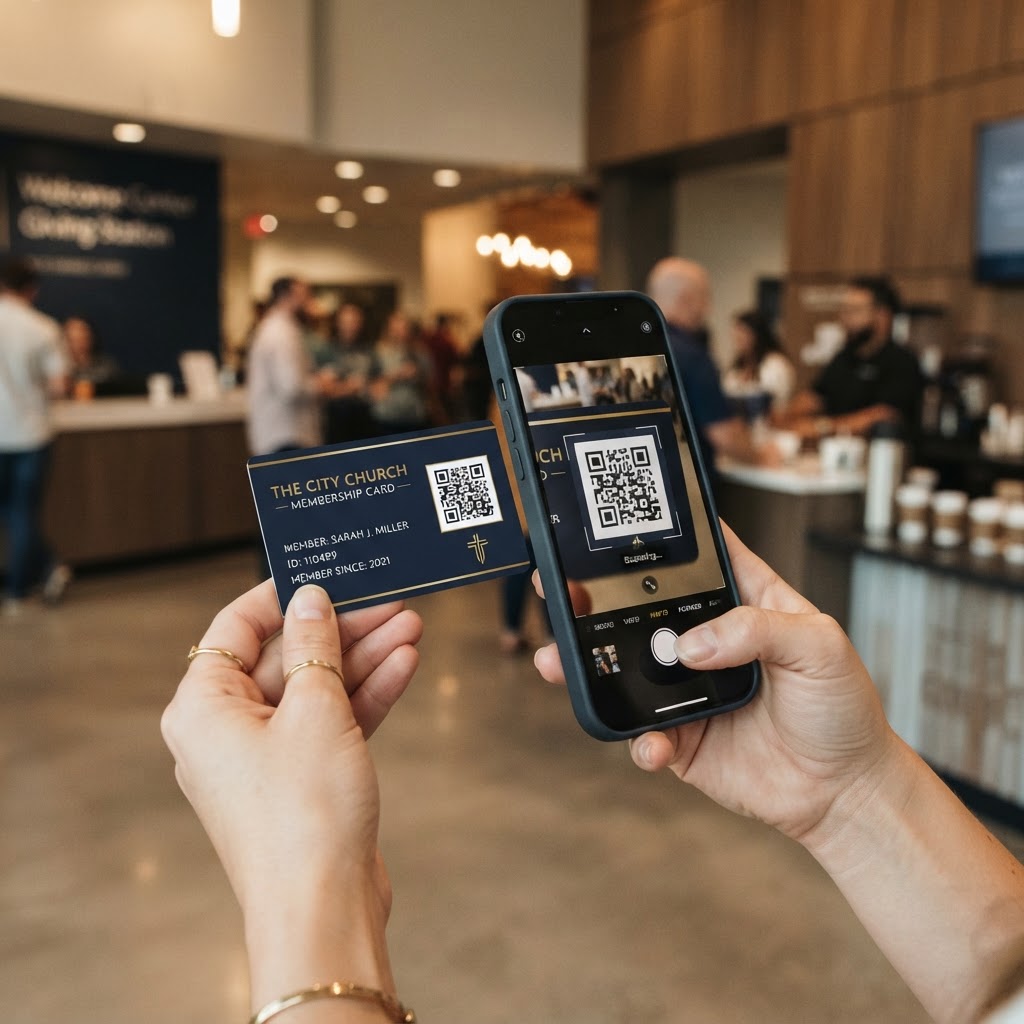
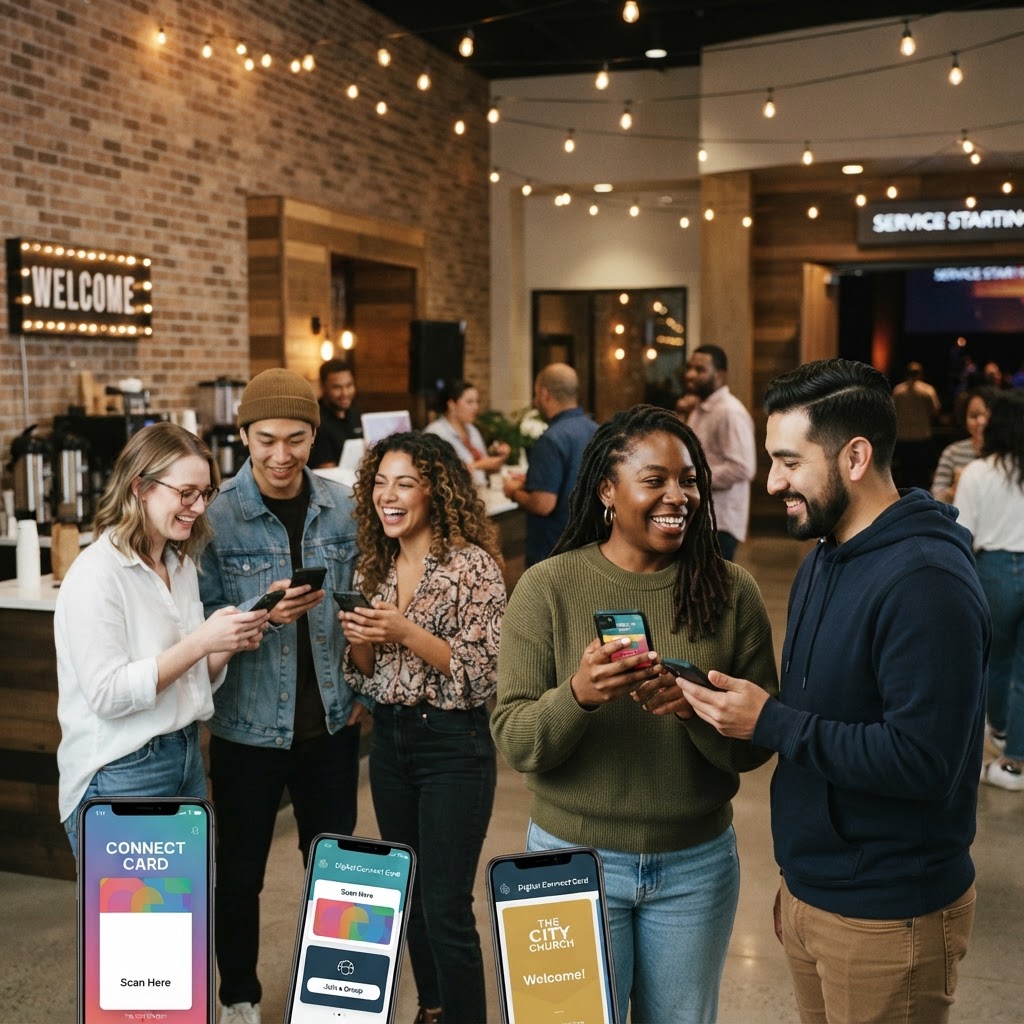
With digital membership cards, visitors don't need to fill out a paper form. Instead, they scan a QR code that opens a digital welcome card. This card can include a simple form that captures their name, email, and phone number directly on their smartphone. The data flows instantly into your church management system — no manual data entry, no transcription errors, no delay.
This instant capture means your follow-up team has visitor information within minutes of the service ending, not days. You can begin the follow-up process the same day, while the visitor's experience is still fresh in their mind.
2. Automated, Timely Follow-Up
Because visitor data is captured digitally and instantly, you can automate follow-up communications. Set up an automated text or email that goes out within hours of a visitor scanning the QR code. This message can thank them for visiting, invite them to a newcomers' gathering, or offer to answer any questions.
Automation ensures consistency — every visitor receives the same timely, thoughtful follow-up, regardless of how busy your staff is that week. This consistency builds trust and demonstrates that your church values every visitor.
3. Personalized Outreach Through Analytics
Digital cards provide analytics that reveal what each visitor is interested in. When a visitor scans a QR code and clicks on specific action buttons — 'Join a Small Group,' 'Learn About Baptism,' 'Talk to a Pastor' — that data is captured. Your follow-up team can use this information to personalize their outreach.
Instead of a generic 'thanks for visiting' message, a visitor who clicked 'Join a Small Group' receives a personalized invitation to a nearby group. A visitor who clicked 'Talk to a Pastor' gets a direct phone call from a pastor. This level of personalization dramatically increases the effectiveness of follow-up.
4. Frictionless Contact Sharing
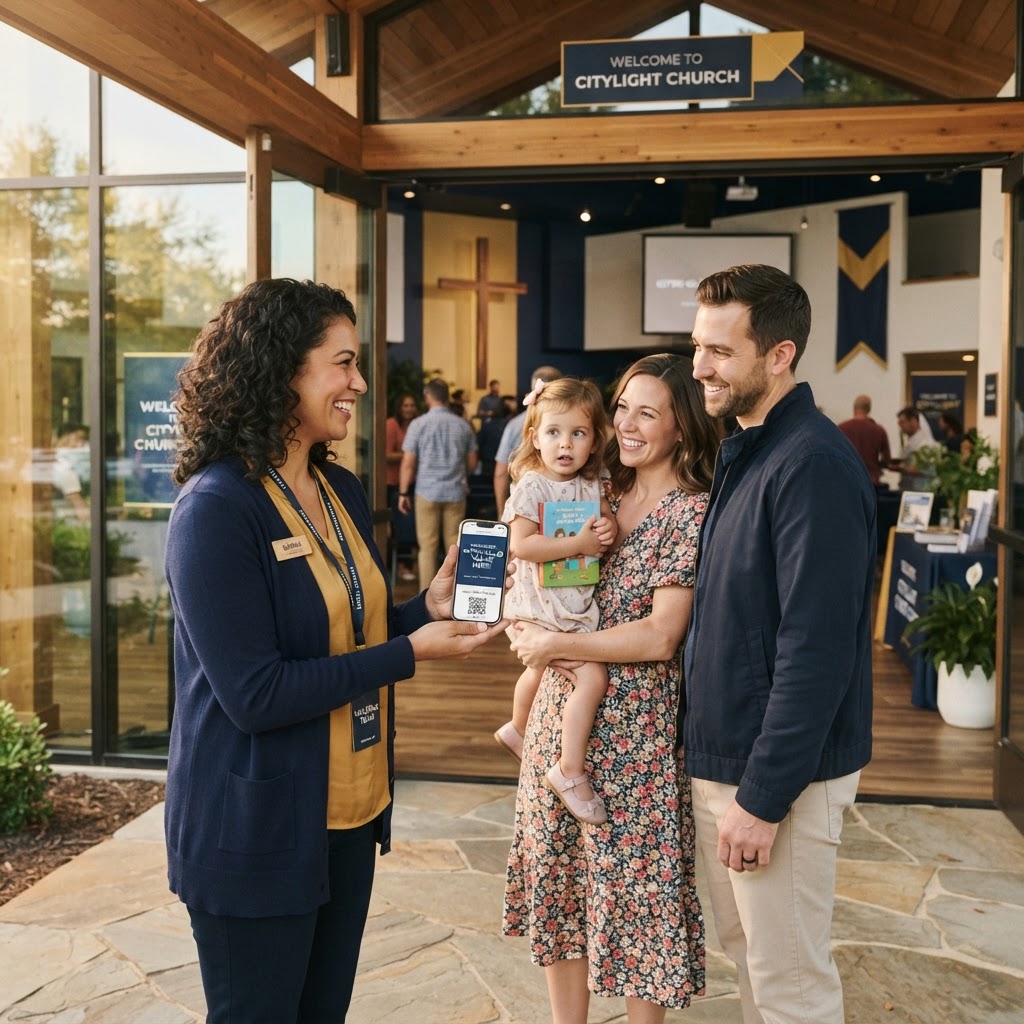
One of the biggest barriers to visitor follow-up is that visitors often don't know how to reach the church or who to contact. Digital cards solve this by giving every pastor and ministry leader a shareable digital card with their contact information. When a visitor meets a pastor, the pastor can share their digital card via QR code or link, and the visitor saves it to their phone with one tap.
This means the visitor has the pastor's direct contact information saved on their phone — not written on a scrap of paper that gets lost. When they have a question or want to reach out, the contact information is right there in their address book.
5. Measurable Follow-Up Effectiveness
Traditional visitor follow-up is a black box — you send a letter or make a call, and you hope for the best. Digital cards provide measurable data at every stage of the follow-up process. You can track:
- How many visitors scanned the QR code and filled out the form
- Which action buttons they clicked, revealing their interests
- Whether they opened follow-up emails or responded to texts
- Whether they returned for a second visit and scanned again
- Which follow-up messages generated the most engagement
This data allows you to continuously refine your follow-up strategy. If you notice that text messages generate higher response rates than emails, you can shift your approach. If certain action buttons predict higher return rates, you can emphasize those in your welcome materials.
Implementing Digital Card-Based Follow-Up
Getting started with digital card-based visitor follow-up is straightforward. First, create a digital welcome card for your church that includes a visitor information form and action buttons for common next steps. Next, generate a QR code linked to this card and display it prominently — on welcome desk signage, projection screens, and printed bulletins.
Train your greeters and welcome team to encourage visitors to scan the QR code. A simple, warm invitation — 'If you'd like to learn more about our church, scan this code and we'll be in touch this week' — is all it takes. Once the data starts flowing in, assign a staff member or volunteer to review new visitor submissions daily and initiate personalized follow-up within 24 hours.
The Bottom Line
Effective visitor follow-up is the difference between a growing church and a stagnant one. Digital membership cards provide the tools to make follow-up faster, more personal, and more measurable than ever before. By capturing information instantly, enabling timely automated outreach, personalizing communication based on visitor interests, making contact sharing frictionless, and measuring every step of the process, digital cards transform visitor follow-up from a guessing game into a data-driven ministry strategy.
If your church is serious about growth, investing in digital card technology for visitor follow-up is one of the highest-impact decisions you can make.