AI is no longer science fiction — it's a practical tool for ministry. Here's how churches are using artificial intelligence to enhance pastoral care, communication, and outreach.
Artificial intelligence has moved from science fiction to practical reality, and it's beginning to make significant inroads in church ministry. While AI will never replace the human elements of pastoral care, discipleship, and spiritual leadership, it can handle repetitive tasks, provide insights from data, and free up pastors for the work that only humans can do. Here's how AI is transforming church ministry in 2026 and how your church can benefit.
Understanding AI in the Church Context
When we talk about AI in church ministry, we're not talking about robots delivering sermons or algorithms replacing pastors. We're talking about practical AI tools that can assist with tasks like content creation, data analysis, communication, and member engagement. These tools use natural language processing, machine learning, and predictive analytics to perform tasks that would take humans significantly longer.
The goal of AI in ministry is not to replace human connection but to enhance it. When AI handles administrative tasks and provides data-driven insights, pastors have more time and better information to focus on pastoral care, discipleship, and spiritual leadership.
Practical Applications of AI in Church Ministry
Sermon Preparation and Research
AI tools can assist pastors with sermon preparation by helping with research, generating outlines, and suggesting relevant illustrations. An AI tool can analyze a Bible passage and suggest themes, cross-references, and historical context in seconds — a task that would take hours using traditional research methods. The pastor still crafts the message and delivers it, but the research phase becomes significantly faster.
Some AI tools can also analyze the pastor's previous sermons to identify recurring themes, suggest areas where a new angle might be refreshing, and even help tailor illustrations to the specific demographics of the congregation.
Member Communication and Personalization
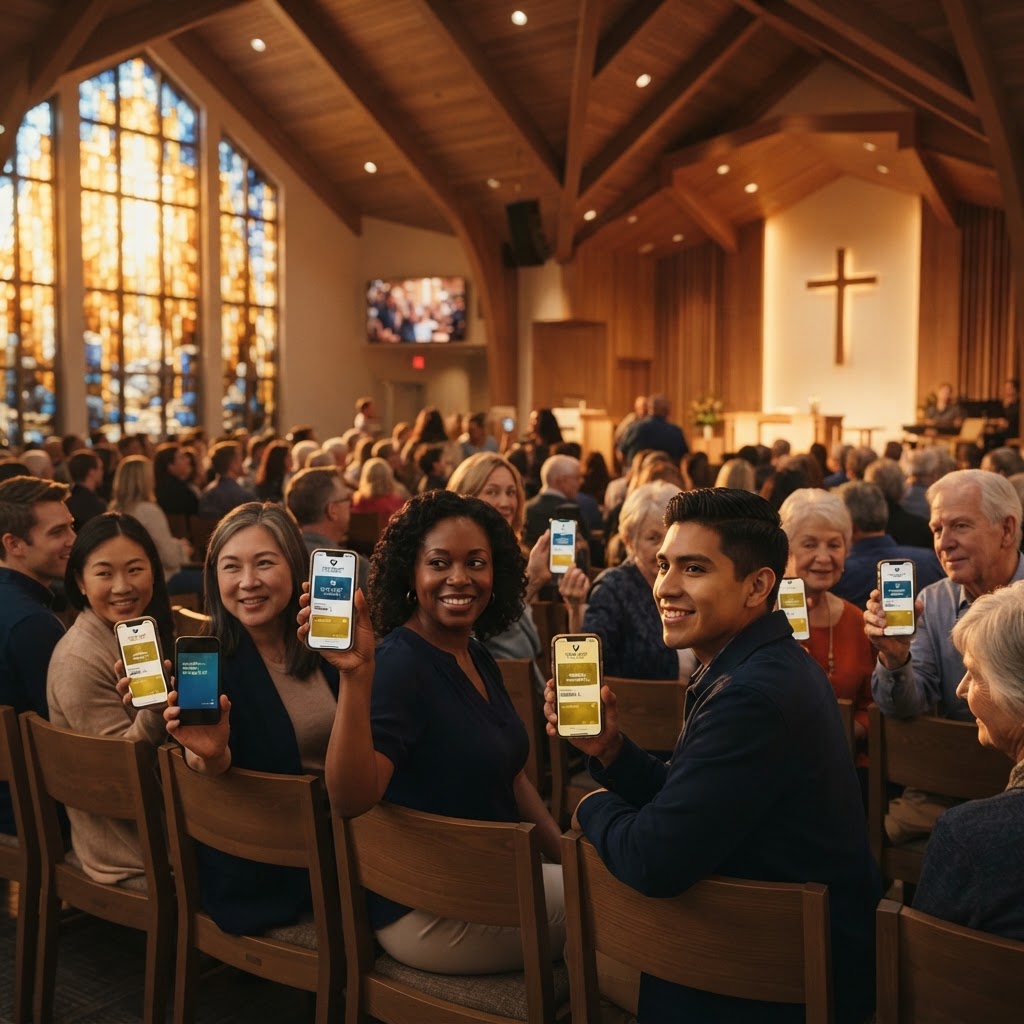
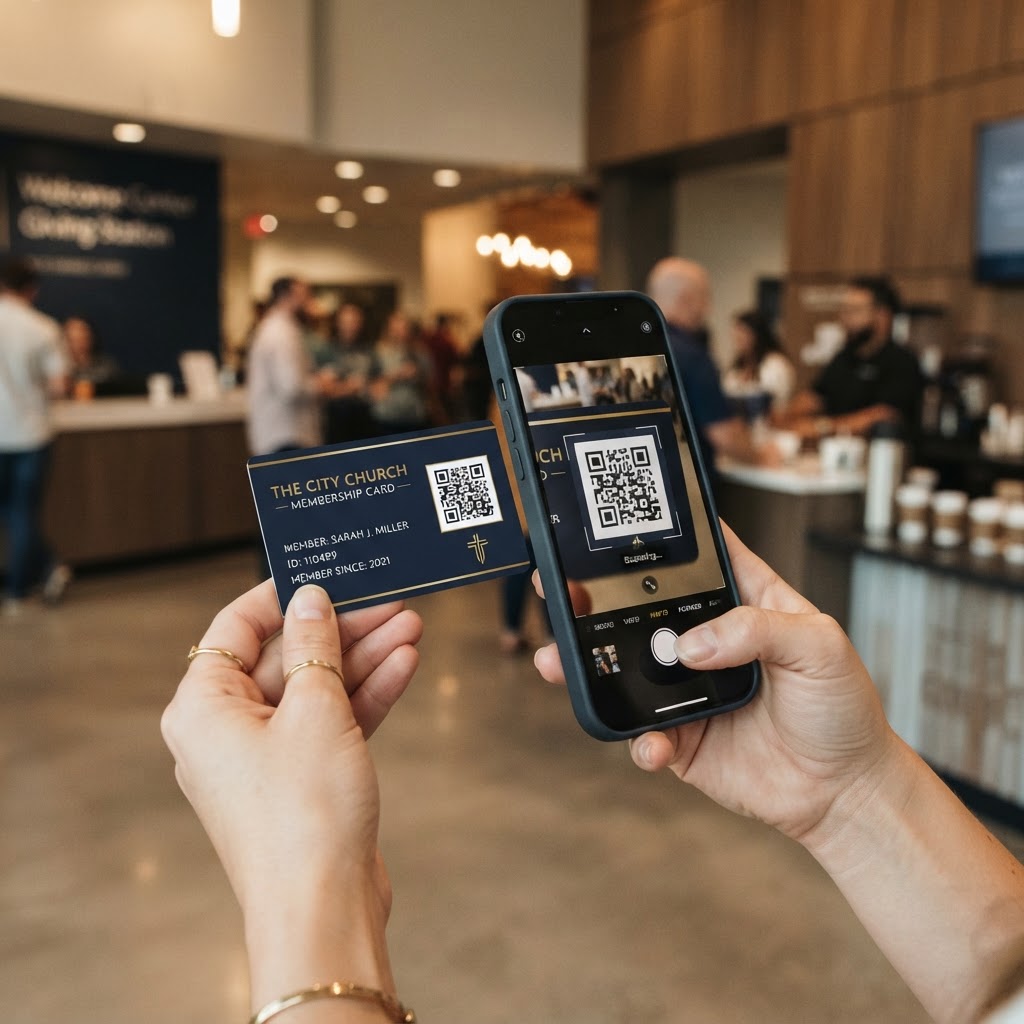
AI can help personalize communication with church members. By analyzing engagement data — which emails members open, which digital card links they click, which events they attend — AI tools can suggest the most relevant content for each member. Instead of sending the same generic newsletter to everyone, AI can help you send targeted messages that resonate with individual interests.
AI-powered chatbots can also handle initial inquiries from visitors or members, answering common questions about service times, location, and upcoming events. This ensures that people get immediate responses, even outside of office hours, while freeing up staff for more complex conversations.
Predictive Analytics for Member Engagement
One of the most powerful applications of AI in church ministry is predictive analytics. By analyzing engagement patterns over time, AI can identify members who may be showing signs of disengagement — attending less frequently, giving less, or not opening emails. This allows pastoral staff to reach out proactively before a member drifts away entirely.
AI can also predict which visitors are most likely to return for a second visit based on their engagement with digital cards, website, and social media. This helps follow-up teams prioritize their outreach for maximum impact.
Content Creation and Social Media
AI tools can assist with creating content for church social media, blogs, and newsletters. While the content should always be reviewed and edited by a human, AI can generate first drafts of social media posts, blog articles, and email newsletters based on the church's messaging and brand voice. This is particularly valuable for small churches with limited staff time for content creation.
AI can also help repurpose existing content. A Sunday sermon can be transformed into a blog post, several social media posts, and a devotional email — all with AI assistance. This maximizes the reach of every piece of content your church creates.
Language Translation and Accessibility
For churches with multilingual congregations, AI-powered translation tools can translate sermons, announcements, and digital card content into multiple languages in real time. This makes your church more accessible to non-English speakers and helps you reach a broader community.
AI can also improve accessibility for members with disabilities. Automatic captioning for videos, text-to-speech for written content, and image recognition for visually impaired users are all powered by AI and can make your church's digital presence more inclusive.
Ethical Considerations for AI in Ministry
While AI offers tremendous benefits, it also raises important ethical questions that churches must consider:
Authenticity and Transparency
Members trust their pastors to speak with authenticity and conviction. If a sermon illustration or devotional content is generated by AI, should the congregation know? Most ministry leaders agree that transparency is essential. AI should be a tool that assists, not a ghostwriter that deceives. Be upfront about when and how AI is used in your church's communication.
Data Privacy
AI tools that analyze member engagement data require access to personal information about your congregation. Ensure that any AI tool you use has strong data privacy protections and that you're transparent with members about what data is collected and how it's used. Never use AI to surveil or manipulate members — only to better serve them.
The Human Element
The most important ethical consideration is ensuring that AI never replaces genuine human connection. AI can suggest who to reach out to, but a pastor must make the call. AI can draft a message, but a human should review and personalize it. AI can analyze data, but pastoral wisdom is needed to interpret it. The human element of ministry — presence, empathy, spiritual discernment — is irreplaceable.
Getting Started with AI in Your Church
If you're interested in incorporating AI into your church's ministry, start small:
- Use AI tools for sermon research and outline generation — this is low-risk and high-value
- Experiment with AI for social media content creation, always reviewing and editing the output
- Use AI-powered analytics from your digital card platform to understand member engagement patterns
- Explore AI chatbots for handling common visitor questions on your website
- Consider AI translation tools if you have a multilingual congregation
As you become more comfortable with AI tools, you can explore more advanced applications. But always keep the guiding principle in mind: AI should serve the ministry, not replace it.
The Future of AI in Church Ministry
AI technology is evolving rapidly, and the tools available to churches will only become more sophisticated. In the near future, we can expect AI tools that are specifically designed for ministry contexts — tools that understand church language, respect theological nuance, and are built with ethical guardrails that align with church values.
Churches that begin experimenting with AI today will be better positioned to leverage these tools as they mature. The goal isn't to be on the cutting edge for its own sake, but to use every available tool to serve your congregation more effectively and reach your community more broadly.
AI as a Tool, Not a Replacement
The most important thing to understand about AI in church ministry is this: it is a tool, not a replacement for human leadership. AI can help you research, analyze, and create — but it cannot pray with a grieving family, baptize a new believer, or discern God's calling on someone's life. Those are sacred human responsibilities that no technology can replicate.
When used wisely, AI enhances ministry by handling tasks that don't require human touch, providing insights that help you serve better, and freeing up time for the relational, spiritual work that only humans can do. The churches that find the right balance — leveraging AI's capabilities while preserving the human heart of ministry — will be the ones that thrive in 2026 and beyond.